States of Consciousness
Note to students: The best preparation for taking the reading quiz is to pay close attention to the key terms as you read. Each question in the question banks is directly linked to these key terms and phrases.
Chapter Focus Question:
What are states of consciousness?
- Consciousness
- Circadian rhythm
- Hypothalamus
- Melatonin
- Cause of jet lag
- Sleep deprivation and problems it may cause
- Solutions for sleep deprivation
- Internal focus of hypnosis and meditation
Section Focus Question:
What are sleep rhythms and what happens when they are disrupted?
Key Terms:
Consciousness describes our awareness of internal and external stimuli. Awareness of internal stimuli includes feeling our own pain, hunger, thirst, sleepiness and being aware of our thoughts and emotions. Awareness of external stimuli includes seeing the light from the sun, feeling the warmth of a room and hearing the voice of a friend. We might describe consciousness as a continuum that ranges from full awareness to a deep sleep. In between sleep and wakefulness are states of consciousness, for example, daydreaming, intoxication as a result of alcohol or other drug use, meditative states, hypnotic states, and altered states of consciousness following sleep deprivation. Many of these states of consciousness, like much of psychological behavior, are rooted in our biology.
What is Sleep?
Rhythms of Sleep
Biological rhythms are internal rhythms of biological activity. A woman’s menstrual cycle is an example of a biological rhythm—a recurring, cyclical pattern of bodily changes. Another example is body temperature, which fluctuates cyclically over a 24-hour period. Body temperature rises throughout the waking day, peaking in the afternoon, and falls during sleep with the lowest point occurring during the very early morning hours. This is known as a circadian rhythm, and our sleep-wake cycle, which is linked to our environment’s natural light-dark cycle, is perhaps the most obvious example of a circadian rhythm. Some circadian rhythms play a role in changes in our states of consciousness.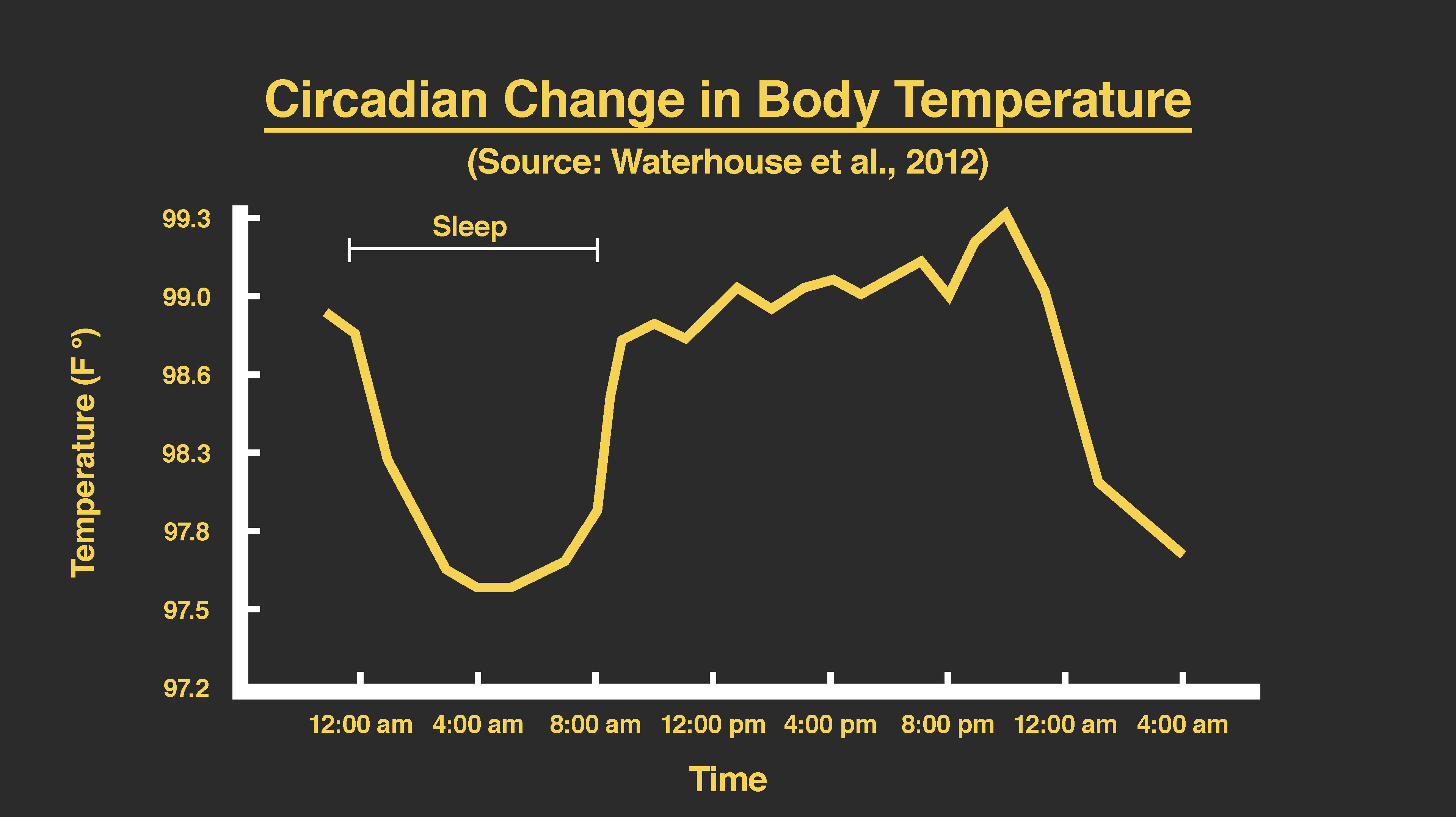
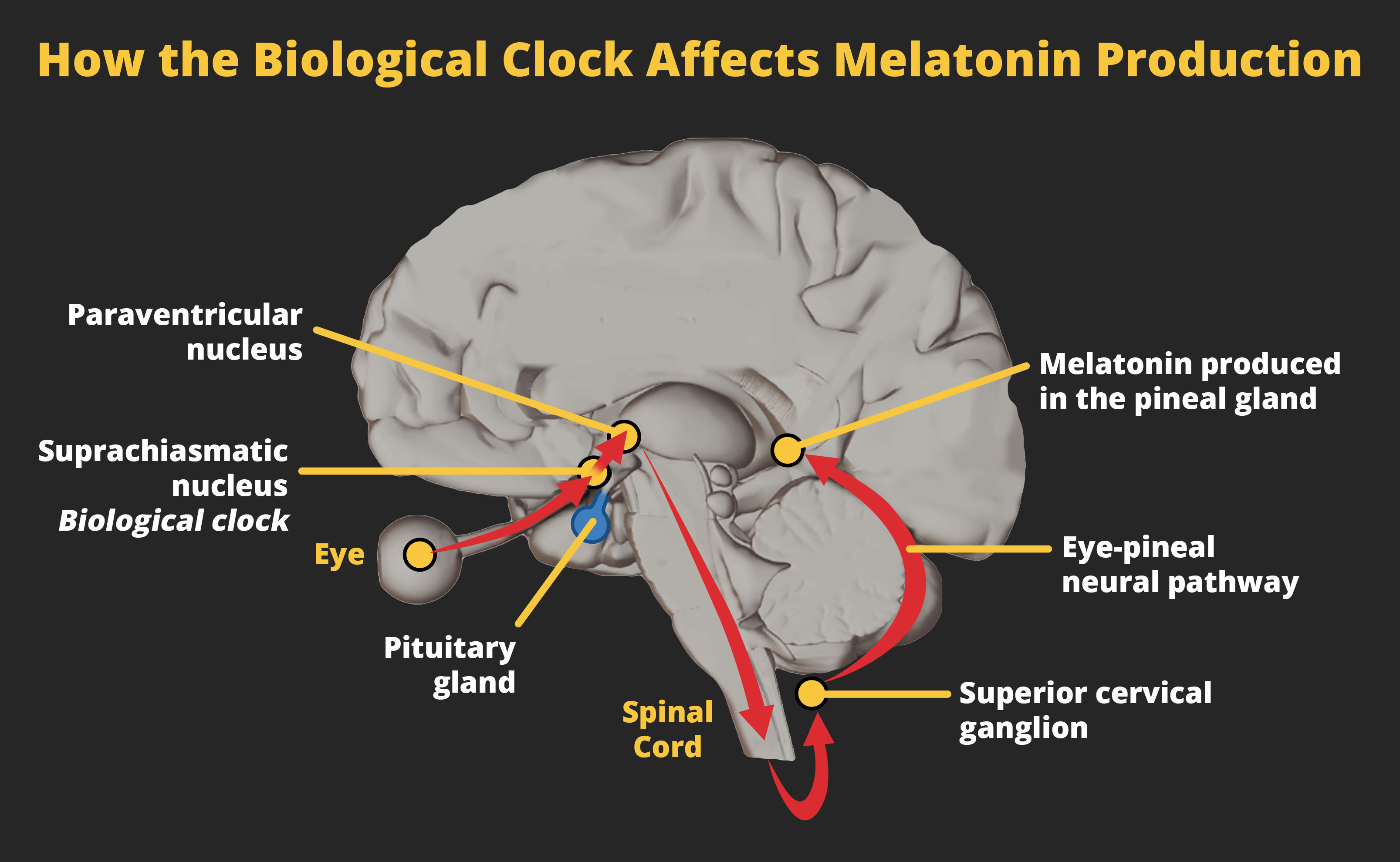
What physically controls these rhythms? In the brain, the hypothalamus, which lies above the pituitary gland, is a main center of homeostasis. Homeostasis is the tendency to maintain a balance, or optimal level, within a biological system. The brain’s clock mechanism is located in an area of the hypothalamus known as the suprachiasmatic nucleus (SCN). The axons of light-sensitive neurons in the retina provide information to the SCN based on the amount of light present, allowing this internal clock to be synchronized with the outside world. The pons is important for regulating rapid eye movement (REM) sleep, which will be discussed later.
Another important regulator of sleep-wake cycles is hormones, including the follicle stimulating hormone (FSH), luteinizing hormone (LH), growth hormone and, most importantly, melatonin. The pineal gland, an endocrine structure located inside the brain that releases melatonin, is thought to be involved in the regulation of various biological rhythms and of the immune system during sleep. Melatonin release is stimulated by darkness and inhibited by light. During sleep, the pituitary gland secretes both FSH and LH which are important in regulating the reproductive system. The pituitary gland also secretes growth hormone, during sleep, which plays a role in physical growth and maturation as well as other metabolic processes.
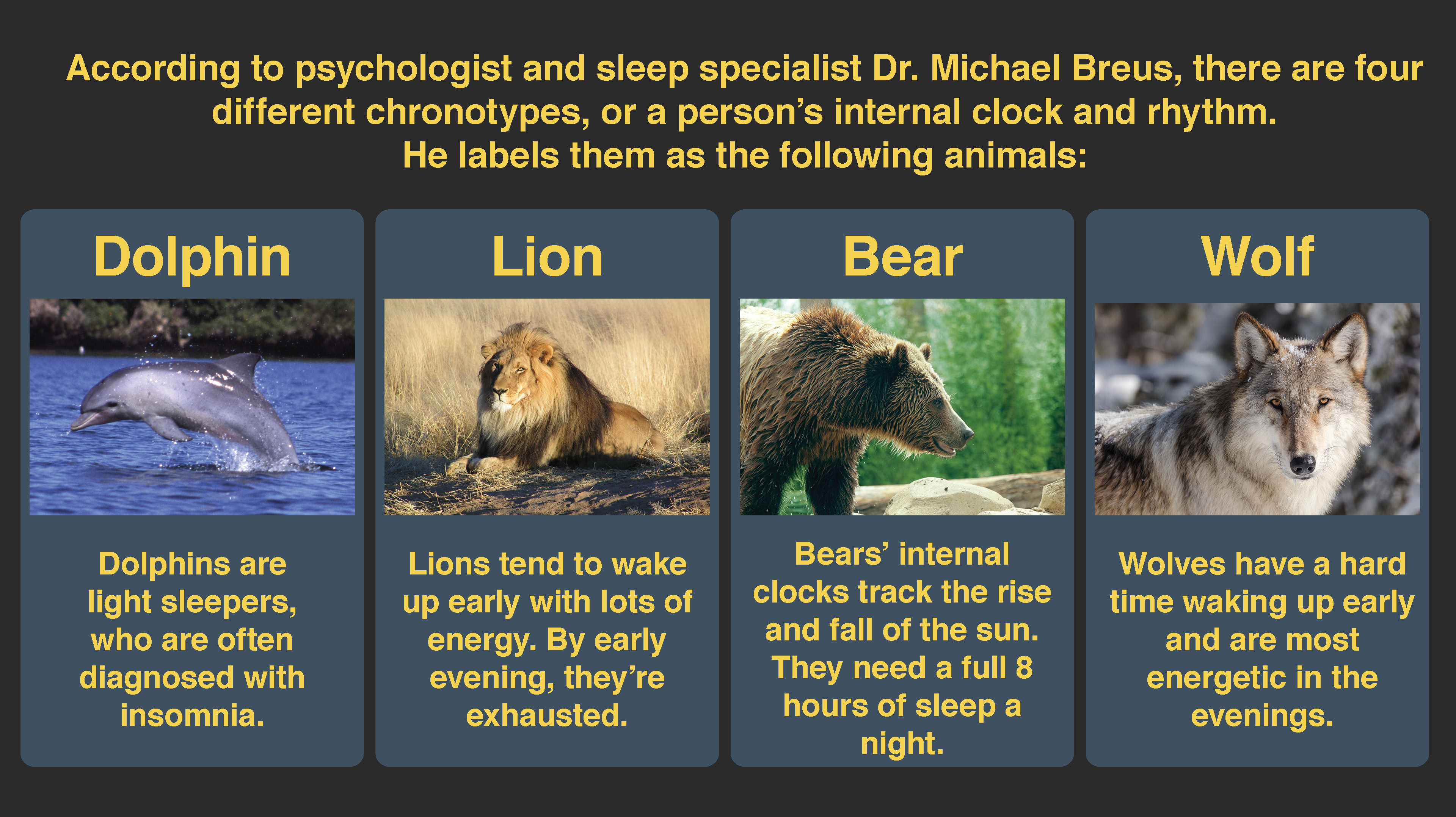
There are individual differences with regards to our sleep-wake cycle. For instance, some people would say they are morning people, while others would consider themselves to be night owls. These individual differences in circadian patterns of activity are known as a person’s chronotype, and research demonstrates that morning larks and night owls differ with regard to sleep regulation, or the brain’s ability to switch between sleep and wakefulness.
Disruptions of Sleep Rhythms
Whether lark, owl, or somewhere in between, there are situations in which a person’s circadian clock gets out of synchrony with the external environment. One way that this happens involves traveling across multiple time zones. When we do this, we often experience jet lag. Jet lag is a collection of symptoms that results from the mismatch between our internal circadian cycles and our environment. These symptoms include fatigue, sluggishness, irritability, and insomnia. Individuals who do rotating shift work are also likely to experience disruptions in circadian cycles. For example, a person may work from 7:00 a.m. to 3:00 p.m. one day, 3:00 a.m. to 11:00 a.m. the next, and 11:00 a.m. to 7:00 p.m. the following day. In such instances, the individual’s schedule changes so frequently that it becomes difficult for a normal circadian rhythm to be maintained. Such workers can have persistent feelings of exhaustion and agitation that can make them more prone to making mistakes on the job. Unfortunately, professions with rotating work schedules are common in medicine and nursing.
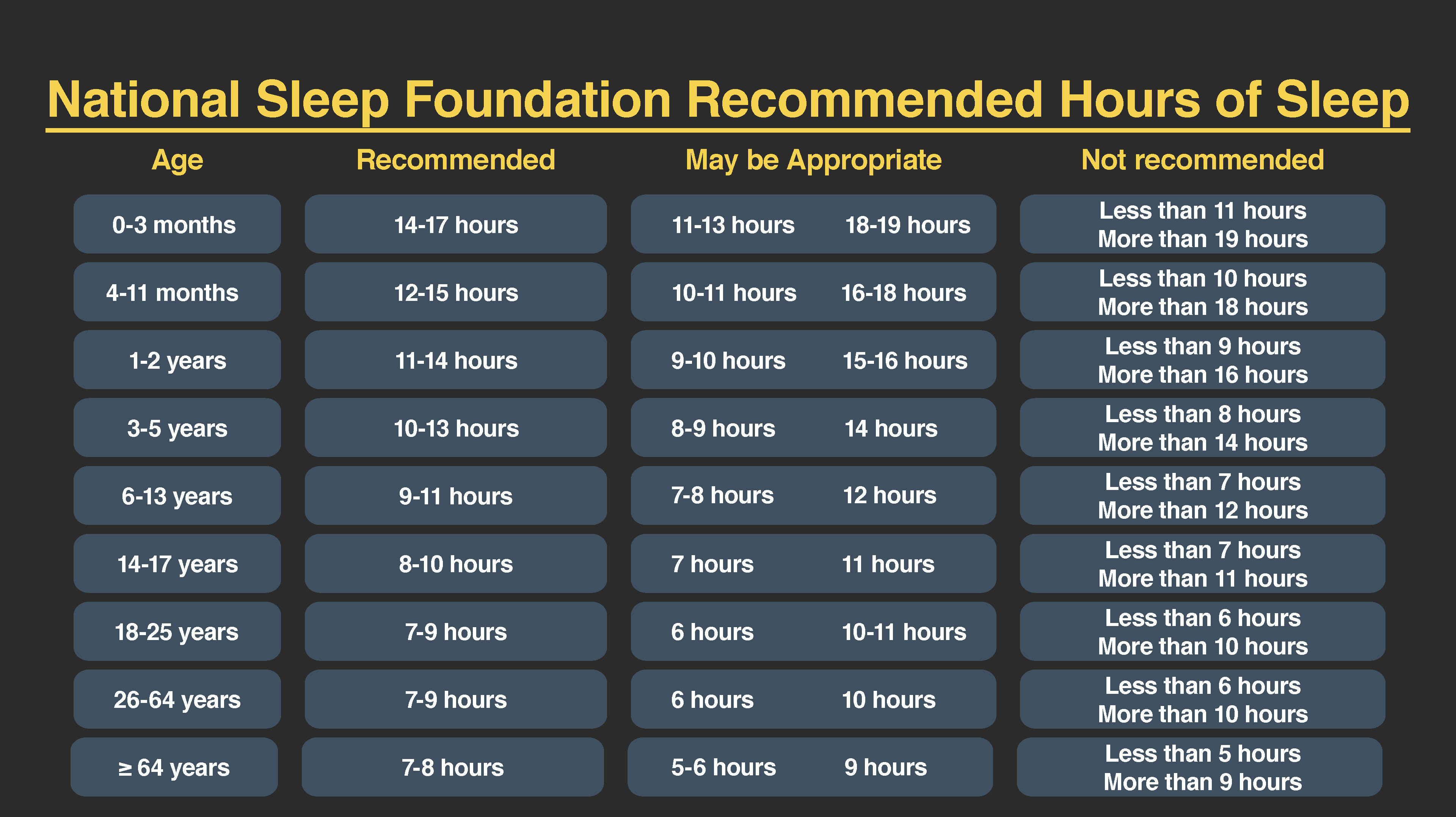
When people have difficulty getting sleep due to their work or the demands of day-to-day life, they accumulate a sleep debt. The consequences of sleep debt include decreased levels of alertness and mental efficiency. Interestingly, since the advent of electric light, the amount of sleep that people get has declined. While we certainly welcome the convenience of having the darkness lit up, we also suffer the consequences of reduced amounts of sleep because we are more active during the nighttime hours than our ancestors were. As a result, many of us sleep less than 7–8 hours a night and accrue a sleep debt. While there is tremendous variation in any given individual’s sleep needs, the National Sleep Foundation (n.d.) cites research to estimate that newborns require the most sleep (between 12 and 18 hours a night) and that this amount declines to just 7–9 hours by the time we are adults. A recent study suggest that people 65 years or older average fewer than 7 hours of sleep per day and that is normal. Thus, our bodies and circadian rhythms are not fixed but adjust through our lifespans.
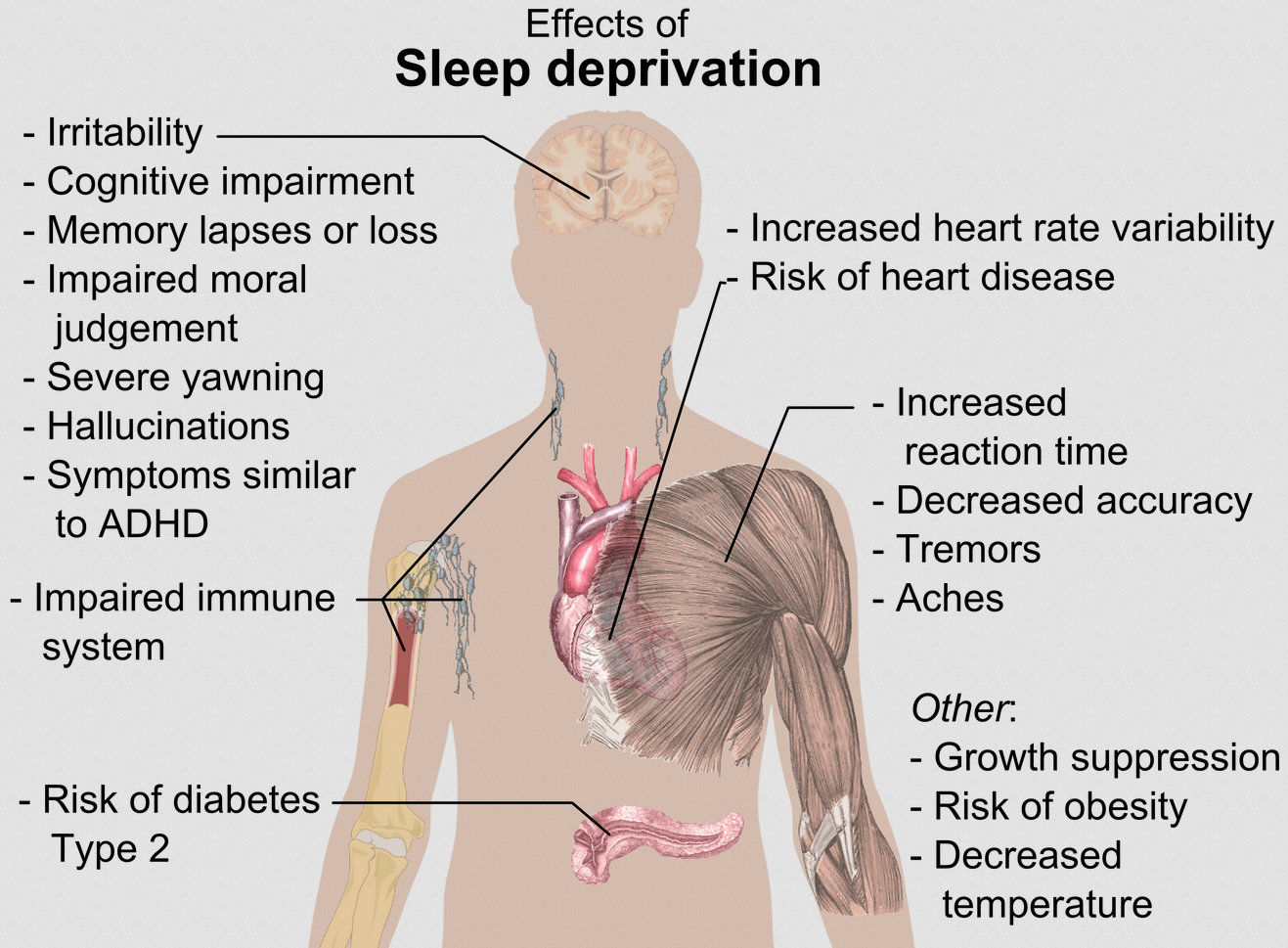
Sleep debt and sleep deprivation have significant negative psychological and physiological consequences, many of which have depression-like symptoms. It may surprise you to know that sleep deprivation is associated with obesity, increased blood pressure, increased levels of stress hormones and reduced immune functioning. Some sleep-deprived individuals have difficulty staying awake when they stop moving and may put themselves and others at risk when they are behind the wheel of a car or work with dangerous machinery.
There are some solutions for sleep deprivation. One is catching up on sleep or sleep rebound. Because the biological clock is driven by light, exposure to bright light during working shifts and dark exposure when not working can help combat insomnia and symptoms of anxiety and depression. A very sleep-deprived individual who is having difficulty re-regulating his or her circadian rhythms may need to have a study of their sleep patterns, which can be done with recording devices and a few nights in a clinic. Since sleep is characterized by certain patterns of activity of the brain, troubled sleep patterns and phases of sleep can be recorded using electroencephalography (EEG).
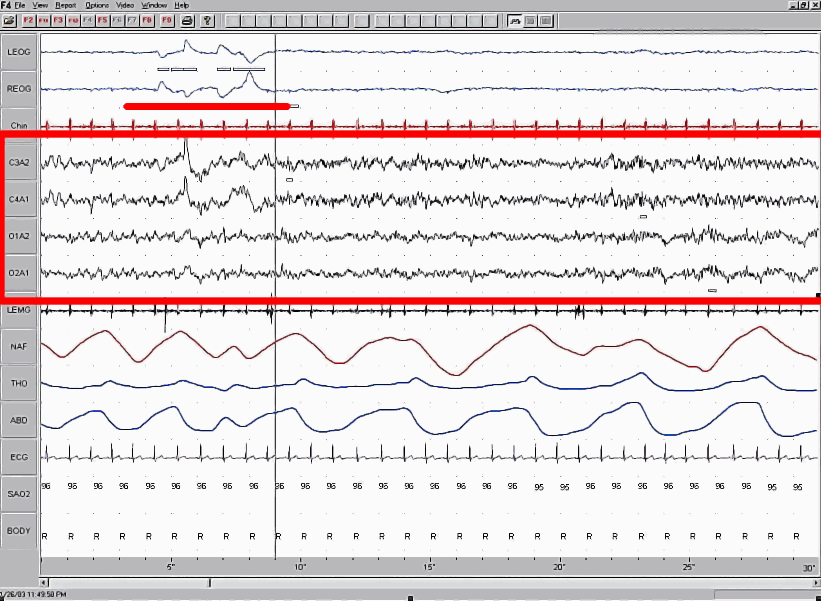
Explanation of the graph: This is a segment of a polysonograph (PSG), a recording of several physical variables during sleep. The x-axis shows passage of time in seconds; this record includes 30 seconds of data. The location of the sets of electrode that produced each signal is labeled on the y-axis. The red box encompasses EEG output, and the waveforms are characteristic of a specific stage of sleep. Other curves show other sleep-related data, such as body temperature, muscle activity, and heartbeat.
Hypnosis and Meditation
Hypnosis is a state of extreme self-focus and attention in which minimal attention is given to external stimuli. In the therapeutic setting, a clinician may use relaxation and suggestion in an attempt to alter the thoughts and perceptions of a patient. Hypnosis has also been used to draw out information believed to be buried deeply in someone’s memory. For individuals who are especially open to the power of suggestion, hypnosis can prove to be a very effective technique, and brain imaging studies have demonstrated that hypnotic states are associated with global changes in brain functioning,
Contrary to popular belief, individuals undergoing hypnosis usually have clear memories of the hypnotic experience and are in control of their own behaviors. People vary in terms of their ability to be hypnotized, but a review of available research suggests that most people are at least moderately hypnotizable. Hypnosis in conjunction with other techniques is used for a variety of therapeutic purposes and has shown to be at least somewhat effective for pain management, treatment of depression and anxiety, smoking cessation and weight loss.
Meditation is the act of focusing on a single target (such as the breath or a repeated sound) to increase awareness of the moment. While hypnosis is generally achieved through the interaction of a therapist and the person being treated, an individual can perform meditation alone. Often, however, people wishing to learn to meditate receive some training in techniques to achieve a meditative state. A meditative state, as shown by EEG recordings of newly-practicing meditators, is not an altered state of consciousness per se; however, patterns of brain waves exhibited by expert meditators may represent a unique state of consciousness. Although there are a number of different techniques in use, the central feature of all meditation is clearing the mind in order to achieve a state of relaxed awareness and focus.

Why Do We Sleep?
- Physical exertion and sleep
- Benefits of sleep and genetic reproduction
- NREM sleep
- Stages 3 and 4 of NREM sleep
- Characteristics of REM sleep
- Deprivation of REM sleep
- Hidden meaning of dreams
- Dreams as a reliving of wakeful thoughts
Section Focus Question:
Why do we need to sleep and what are its stages?
Key Terms:
Function of Sleep
The answer to this question is not as definitive as you may think. There are several hypotheses as to why we need sleep. One popular one incorporates the perspective of evolutionary psychology, a discipline that studies how universal patterns of behavior and cognitive processes have evolved over time as a result of natural selection. One might argue that we have evolved as a species to need about 8 hours of sleep during the dark time of the day because this was the way our ancestors could restore physical resources that they then had to expend during daylight hours in order to survive. However, there is little research that supports this explanation; there is no reason to think that energetic demands could not be addressed with periods of rest and inactivity rather than being fully asleep. In fact, research has actually found that more energetic people do not necessarily need more sleep, but possibly less.
It is quite possible that sleep serves no single universally adaptive function, and different species have evolved different patterns of sleep in response to their unique evolutionary pressures. Research shows that adequate amounts of sleep have several important benefits that may have prolonged the lives of our ancestors and improved their chances for reproduction, thus passing on biological changes. These include maintaining healthy weight, lowering stress levels, improving mood, and increasing motor coordination, as well as a number of benefits related to cognition and memory formation.
Another hypothesis suggests that sleep deprivation results in disruptions in cognition and memory deficits, leading to impairments in our abilities to maintain attention, make decisions and recall long-term memories. Moreover, these impairments become more severe as the amount of sleep deprivation increases. On the other hand, deep sleep after learning a new task can improve resultant performance on that task and seems essential for effective memory formation. Research indicates that included among the cognitive benefits of sleep are increased capacity for creative thinking, language learning and inferential judgments. It is possible that even the processing of emotional information is influenced by certain aspects of sleep.
Stages of Sleep
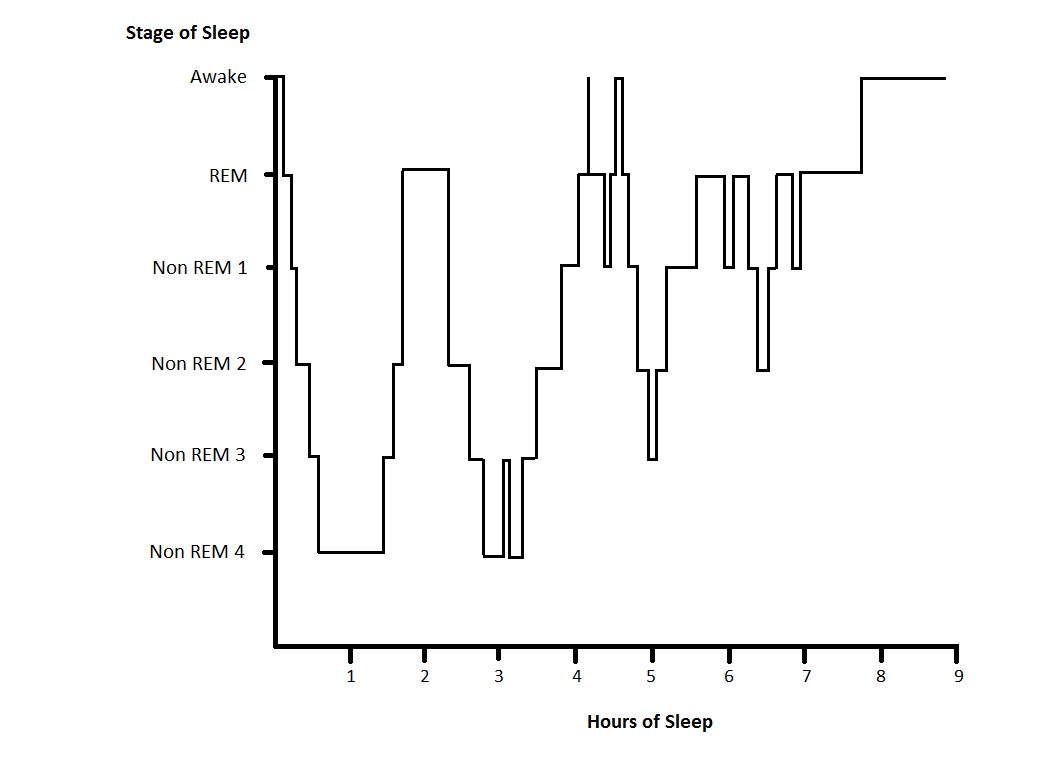
Not all sleep is the same. Sleep goes through cycles and stages. Non-rapid eye movement sleep (NREM) or dreamless sleep has four stages. The first stage of NREM sleep is known as stage 1 sleep, a transitional phase that occurs between wakefulness and sleep, the period during which we drift off to sleep. During this time, there is a slowdown in both the rates of respiration and heartbeat. In addition, stage 1 sleep involves a marked decrease in both overall muscle tension and core body temperature. The early portion of stage 1 sleep produces alpha waves, which are relatively low frequency (8–13Hz), high amplitude patterns of electrical activity (waves) that become synchronized.
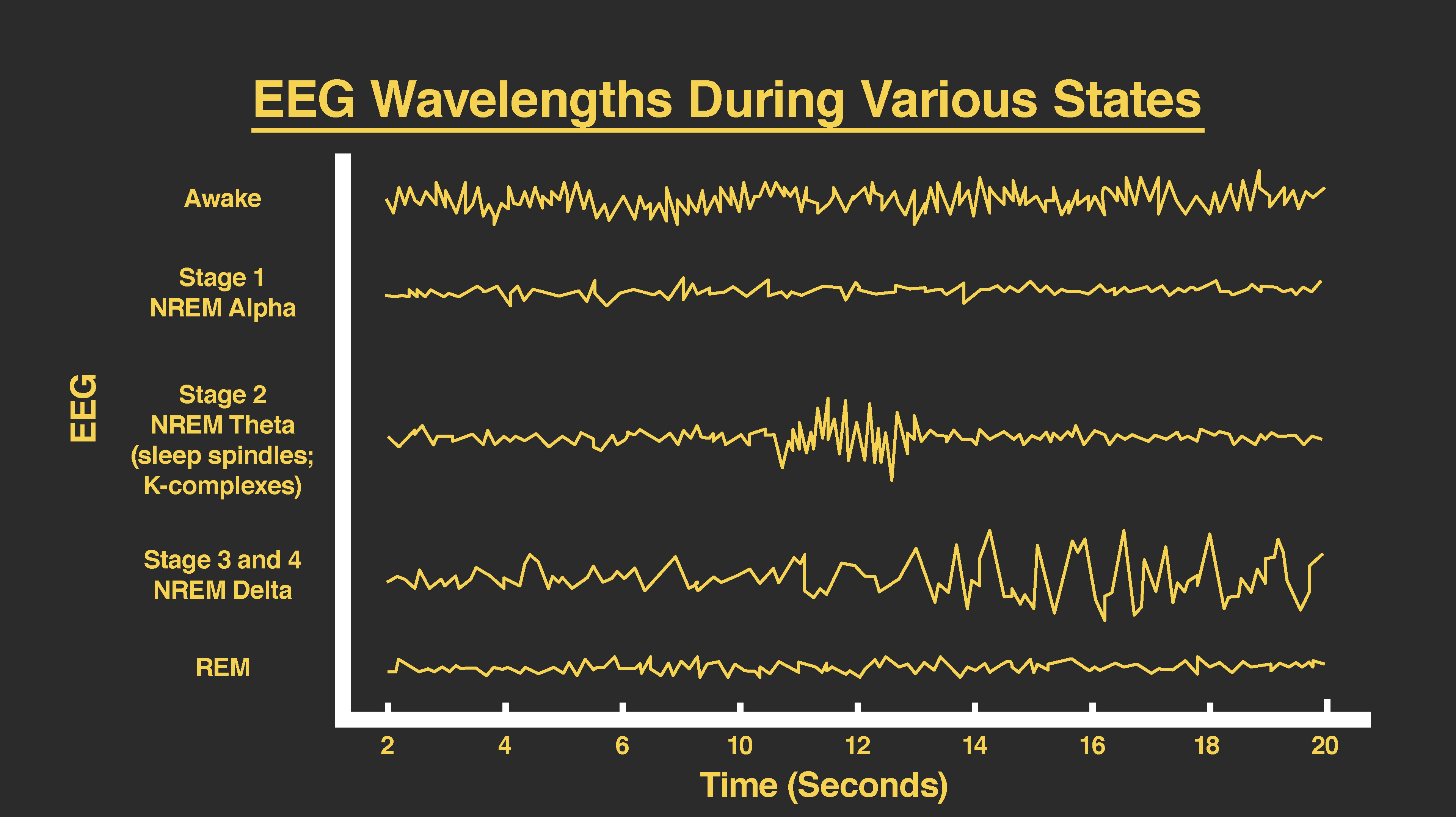
This pattern of brain wave activity resembles that of someone who is very relaxed, yet awake. As an individual continues through stage 1 sleep, there is an increase in theta wave activity. Theta waves are even lower frequency (4–7 Hz), higher amplitude brain waves. It is relatively easy to wake someone from stage 1 sleep; in fact, people often report that they have not been asleep if they are awoken during stage 1 sleep.
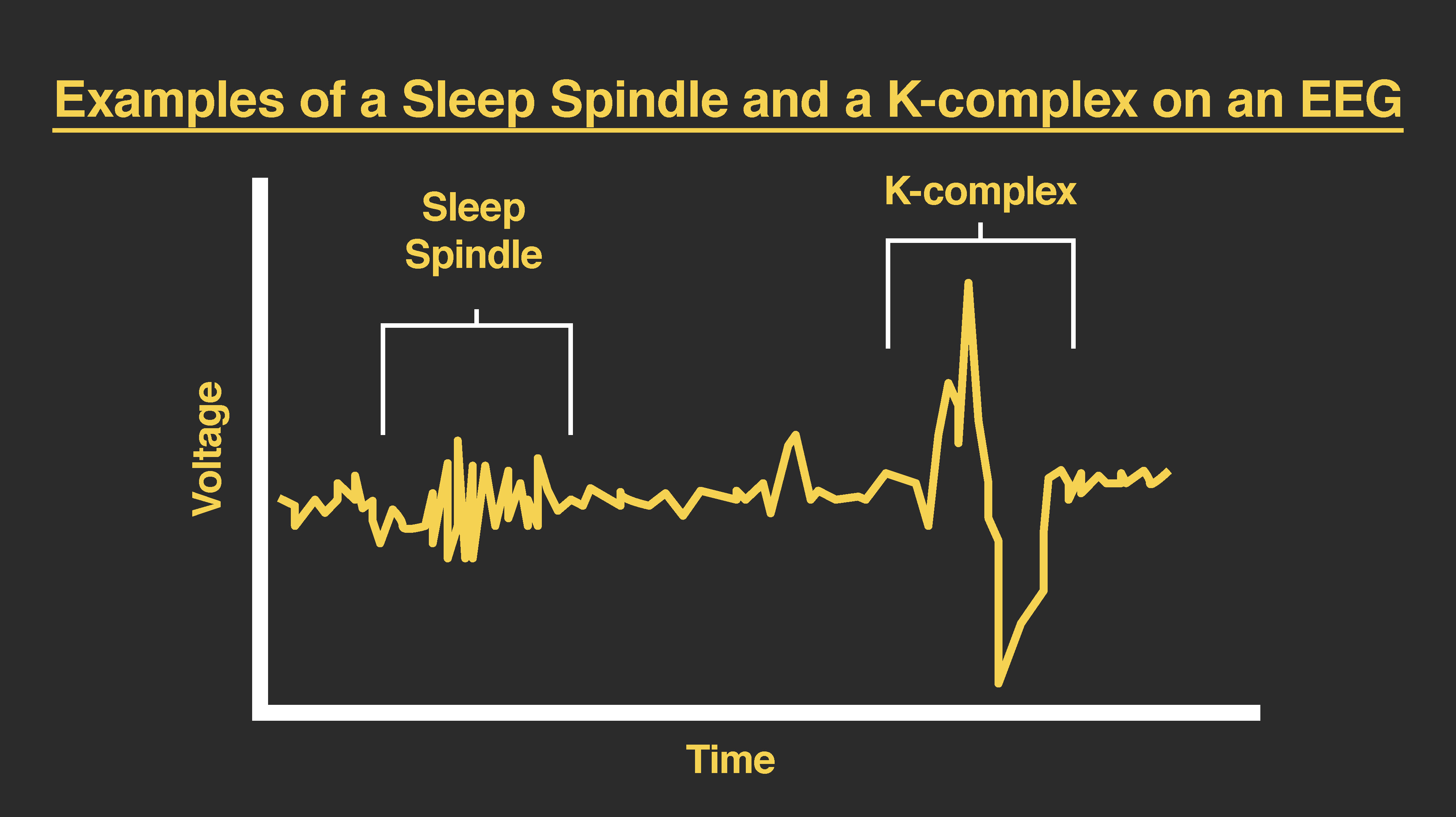
As we move into stage 2 sleep, the body goes into a state of deep relaxation. Theta waves still dominate the activity of the brain, but they are interrupted by brief bursts of activity known as sleep spindles. A sleep spindle is a rapid burst of higher frequency brain waves that may be important for learning and memory.
In addition, K-complexes come into the picture in stage 2 sleep. A K-complex is a very high amplitude pattern of brain activity that may in some cases occur in response to environmental stimuli. Thus, K-complexes might serve as a bridge to higher levels of arousal in response to what is going on in our environments.
Stage 3 and stage 4 of sleep are often referred to as deep sleep or slow-wave sleep because these stages are characterized by low frequency (up to 4 Hz), high amplitude delta waves. During this time, an individual’s heart rate and respiration slow dramatically. It is much more difficult to awaken someone from stage 3 and 4 than during earlier stages of sleep. Interestingly, individuals who have increased levels of alpha brain wave activity (more often associated with wakefulness and transition into stage 1 sleep) during stage 3 and stage 4 often report that they do not feel refreshed upon waking, regardless of how long they slept.
REM Sleep
Rapid eye movement (REM) sleep is associated with dreaming. The brain waves in this stage of sleep are very similar to those observed when a person is awake. It is also associated with paralysis of muscle systems in the body with the exception of those that make circulation and respiration possible. No movement of voluntary muscles occurs during REM sleep in a normal individual. Therefore, REM sleep is often referred to as paradoxical sleep because of this combination of high brain activity and lack of muscle tone.
If people are deprived of REM sleep and then allowed to sleep without disturbance, they will spend more time in REM sleep in what would appear to be an effort to recoup the lost time in REM. This is known as the REM rebound, and it suggests that REM sleep is also homeostatically regulated. Aside from the role that REM sleep may play in processes related to learning and memory, REM sleep may also be involved in emotional processing and regulation. In such instances, REM rebound may actually represent an adaptive response to stress in nondepressed individuals by suppressing the emotional salience of aversive events that occurred in wakefulness.
While sleep deprivation in general is associated with a number of negative consequences, the consequences of REM sleep deprivation appear to be less profound. In fact, some have suggested that REM sleep deprivation can actually be beneficial in some circumstances. For instance, REM sleep deprivation has been demonstrated to improve symptoms of people suffering from major depression, and many effective antidepressant medications suppress REM sleep.
Dreams
The meaning of dreams varies across different cultures and periods of time. By the late 19th century, German psychiatrist Sigmund Freud had become convinced that dreams represented an opportunity to gain access to the unconscious. By analyzing dreams, Freud thought people could increase self-awareness and gain valuable insight to help them deal with the problems they faced in their lives. Freud made distinctions between the manifest content, the storyline of the dream, and the latent content, the hidden meaning, of dreams. For example, if a person who had a sick parent had a dream that he was being chased by some dreadful creature, the latent content might suggest that the creature was the impending death of the parent.
Freud was not the only theorist to focus on the content of dreams. The 20th-century Swiss psychiatrist Carl Jung believed that dreams allow us to tap into the collective unconscious, or the theoretical repository of information he believed to be shared by everyone. According to Jung, certain symbols in dreams reflected universal archetypes with meanings that are similar for all people regardless of culture or location.
The sleep and dreaming researcher Rosalind Cartwright, however, believes that dreams simply reflect life events that are important to the dreamer. Unlike Freud and Jung, Cartwright’s ideas about dreaming have found empirical support. For example, she and her colleagues published a study in which women going through divorce were asked several times over a five-month period to report the degree to which their former spouses were on their minds. These same women were awakened during REM sleep in order to provide a detailed account of their dream content. There was a significant positive correlation between the degree to which women thought about their former spouses during waking hours and the number of times their former spouses appeared as characters in their dreams.

What are Chronic Sleep Problems?
- Insomnia
- Solutions for insomnia
- Parasomnia
- Somnambulism
- REM Sleep Behavior Disorder
- Sleep apnea
- Recommendations to avoid SIDS
- Dangers associated with narcolepsy
Section Focus Question:
What are five chronic sleep problems and what are the consequences of these?
Key Terms:
Insomnia
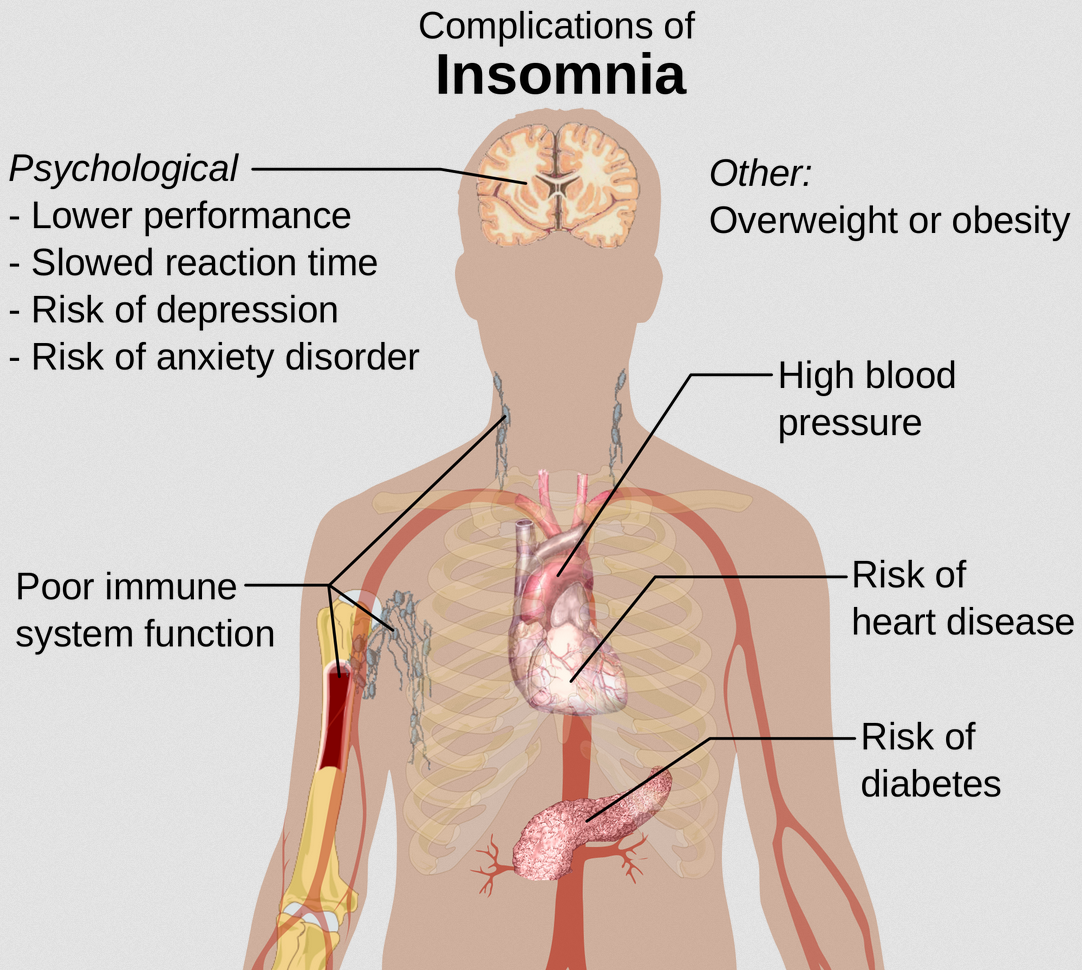
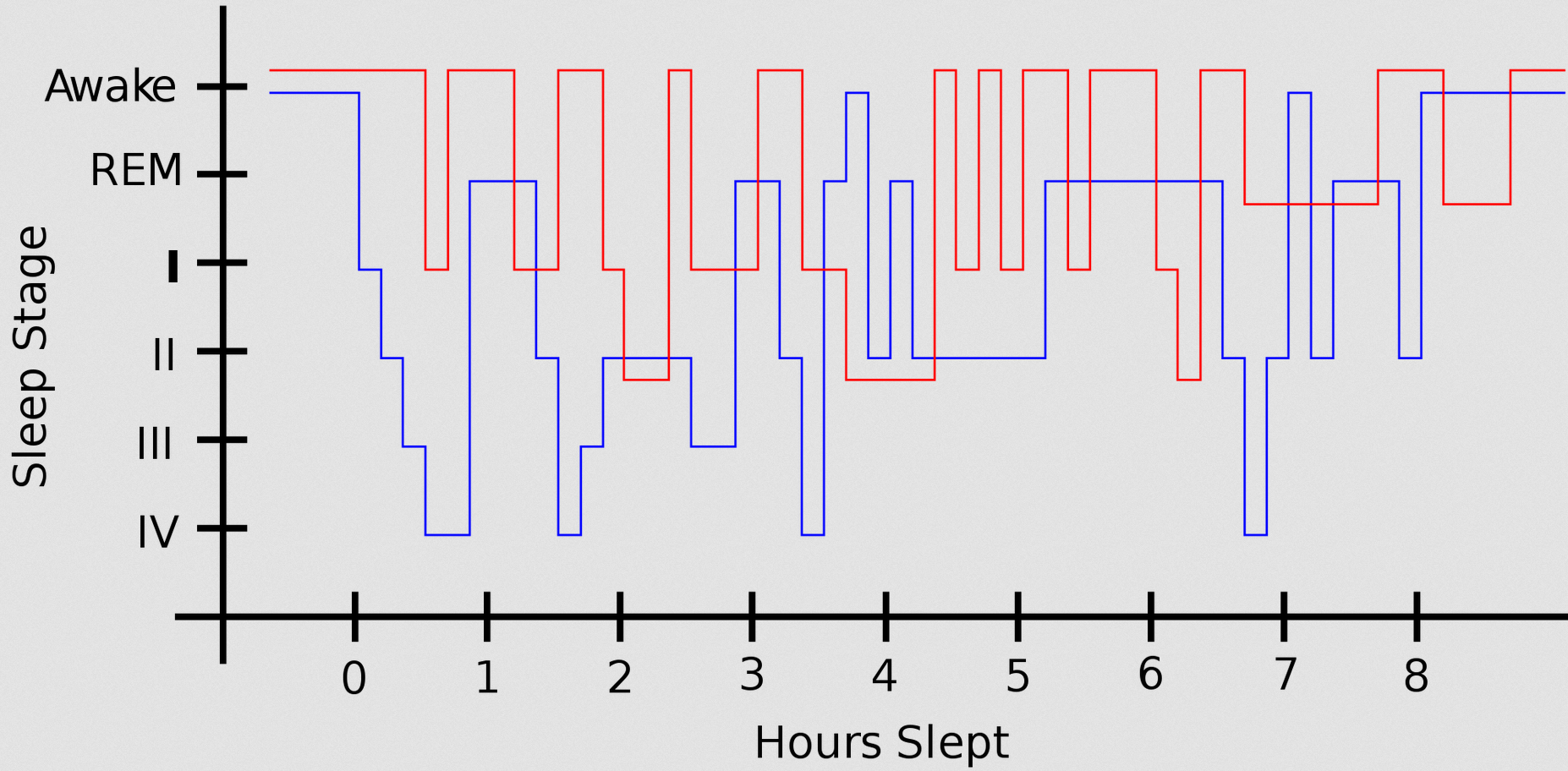
Insomnia, a consistent difficulty in falling or staying asleep, is the most common of the sleep disorders. Individuals with insomnia often experience long delays between the times that they go to bed and actually fall asleep. In addition, these individuals may wake up several times during the night only to find that they have difficulty getting back to sleep. One of the criteria for insomnia involves experiencing these symptoms for at least three nights a week for at least one month’s time. It is not uncommon for people suffering from insomnia to experience increased levels of anxiety about their inability to fall asleep. This becomes a self-perpetuating cycle because increased anxiety leads to increased arousal, and higher levels of arousal make the prospect of falling asleep even more unlikely. Chronic insomnia is almost always associated with feeling overtired and may be associated with symptoms of depression.
There may be many factors that contribute to insomnia, including age, drug use, exercise, mental status and bedtime routines. Not surprisingly, insomnia treatment may take one of several different approaches. People who suffer from insomnia might limit their use of stimulant drugs (such as caffeine) or increase their amount of physical exercise during the day. Some people might turn to over-the-counter (OTC) or prescribed sleep medications to help them sleep, but this should be done sparingly because many sleep medications result in dependence and alter the nature of the sleep cycle. Cognitive-behavioral therapy has been known to be helpful to manage stress better or change problematic behaviors, such as spending more waking time in bed.
Parasomnia
A parasomnia is one of a group of sleep disorders in which unwanted, disruptive motor activity and/or experiences during sleep play a role. Parasomnias can occur in either REM or NREM phases of sleep. Sleepwalking, restless leg syndrome, and night terrors are all examples of parasomnias.
Sleepwalking. In sleepwalking, or somnambulism, the sleeper engages in relatively complex behaviors ranging from wandering about to driving an automobile. During periods of sleepwalking, sleepers often have their eyes open, but they are not responsive to attempts to communicate with them. Sleepwalking most often occurs during deep or slow-wave sleep, but it can occur at any time during a sleep period in some affected individuals. Historically, somnambulism has been treated with benzodiazepines to antidepressants. However, the success rate of such treatments is questionable. On the other hand, somnambulistic patients who also suffered from sleep-related breathing problems showed a marked decrease in sleepwalking when their breathing problems were effectively treated.
REM sleep behavior disorder (RBD) occurs when the muscle paralysis associated with the REM sleep phase does not occur. Individuals who suffer from RBD have high levels of physical activity during REM sleep, especially during disturbing dreams. These behaviors vary widely, but they can include kicking, punching, scratching, yelling and behaving like an animal that has been frightened or attacked. People who suffer from this disorder can injure themselves or their sleeping partners when engaging in these behaviors; yet they have no memories of the behaviors. REM sleep behavior disorder is associated with a number of neurodegenerative diseases such as Parkinson’s disease.
Restless Leg Syndrome. A person with restless leg syndrome has uncomfortable sensations in the legs during periods of inactivity or when trying to fall asleep. This discomfort is relieved by deliberately moving the legs, which, not surprisingly, contributes to difficulty in falling or staying asleep. Restless leg syndrome is quite common and has been associated with a number of other medical diagnoses, such as chronic kidney disease and diabetes. There are a variety of drugs that treat restless leg syndrome: benzodiazepines, opiates, and anticonvulsants.
Night terrors result in a sense of panic in the sufferer and are often accompanied by screams and attempts to escape from the immediate environment. Although individuals suffering from night terrors appear to be awake, they generally have no memories of the events that occurred, and attempts to console them are ineffective. Typically, individuals suffering from night terrors will fall back asleep again within a short time. Night terrors apparently occur during the NREM phase of sleep. Generally, treatment for night terrors is unnecessary unless there is some underlying medical or psychological condition that is contributing to the night terrors.
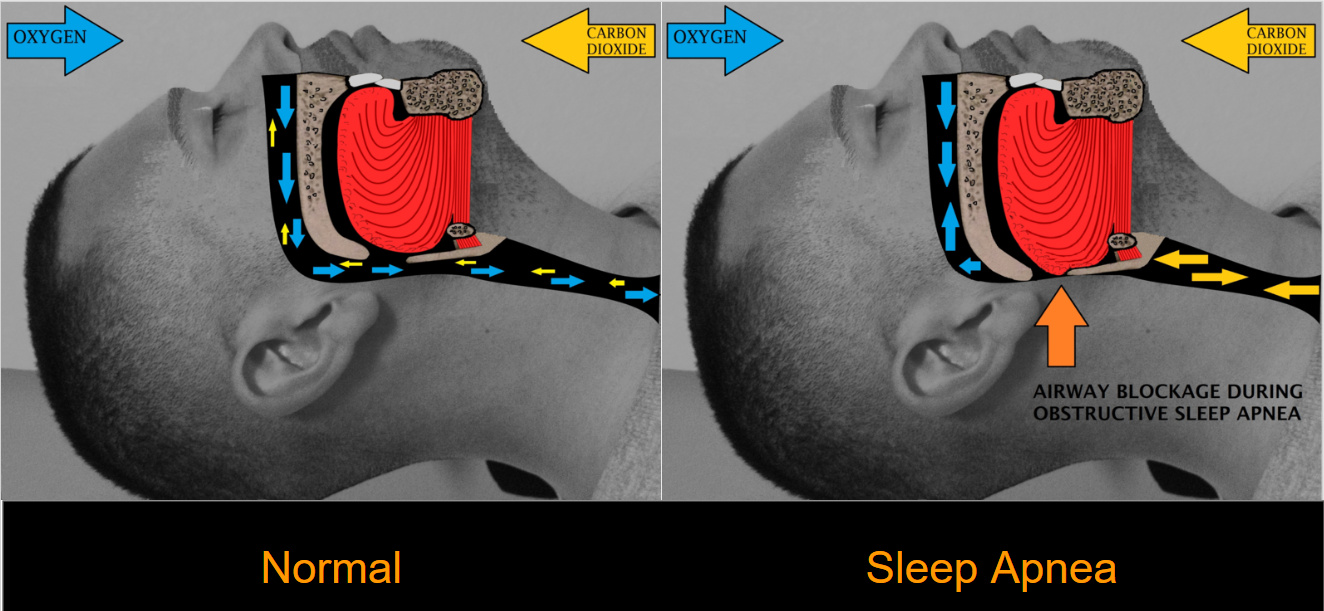
Sleep apnea is defined by episodes during which a sleeper’s breathing stops. These episodes can last 10–20 seconds or longer and often are associated with brief periods of arousal. There are two types of sleep apnea: obstructive sleep apnea and central sleep apnea. Obstructive sleep apnea occurs when an individual’s airway becomes blocked during sleep, and air is prevented from entering the lungs. In central sleep apnea, disruption in signals sent from the brain that regulate breathing cause periods of interrupted breathing. While individuals suffering from sleep apnea may not be aware of these repeated disruptions in sleep, they do experience increased levels of fatigue. Many individuals diagnosed with sleep apnea first seek treatment because their sleeping partners indicate that they snore loudly and/or stop breathing for extended periods of time while sleeping. Sleep apnea is much more common in overweight people and is often associated with loud snoring. While sleep apnea is less common in thin people, anyone who snores loudly or gasps for air while sleeping should be checked for sleep apnea; it is a dangerous condition that may also exacerbate cardiovascular disease.
One of the most common treatments for sleep apnea involves the use of a continuous positive airway pressure (CPAP) device, that is a mask that fits over the sleeper’s nose and mouth. It is connected to a device that pumps air into the person’s airways, forcing them to remain open. This treatment option has proven to be effective for people suffering from mild to severe cases of sleep apnea, though some patients find the device inconvenient.
SIDS. In sudden infant death syndrome (SIDS), an infant stops breathing during sleep and dies. Infants younger than 12 months appear to be at the highest risk for SIDS, and boys have a greater risk than girls. A number of risk factors have been associated with SIDS, including premature birth, smoking within the home and hyperthermia. There may also be differences in both brain structure and function in infants that die from SIDS. Research on SIDS has led to a number of recommendations to parents to protect their children, most importantly placing babies on their backs for sleep. Parents are also encouraged to remove any items that pose suffocation threats, such as blankets, pillows or padded crib bumpers. Infants should not have caps placed on their heads when put down to sleep in order to prevent overheating. These recommendations have helped to decrease the number of infant deaths from SIDS in recent years.
Narcolepsy. On the other end of the scale are people with narcolepsy, who cannot resist falling asleep at inopportune times. These sleep episodes are often associated with cataplexy, which is a lack of muscle tone or muscle weakness, and in some cases involves complete paralysis of the voluntary muscles. It is similar to the kind of paralysis experienced by healthy individuals during REM sleep. Narcoleptic episodes take on other features of REM sleep. For example, around one third of individuals diagnosed with narcolepsy have vivid, dream-like hallucinations during narcoleptic attacks. Narcoleptic episodes are often triggered by states of heightened arousal or stress. The typical episode can last from a minute or two to half an hour. Once awakened from a narcoleptic attack, people report that they feel refreshed.
Obviously, regular narcoleptic episodes can be quite dangerous, especially if the individual experiences an attack while driving a car or operating machinery. Generally, narcolepsy is treated using psychomotor stimulant drugs, such as amphetamines. These drugs promote increased levels of neural activity.