Introduction: Personality
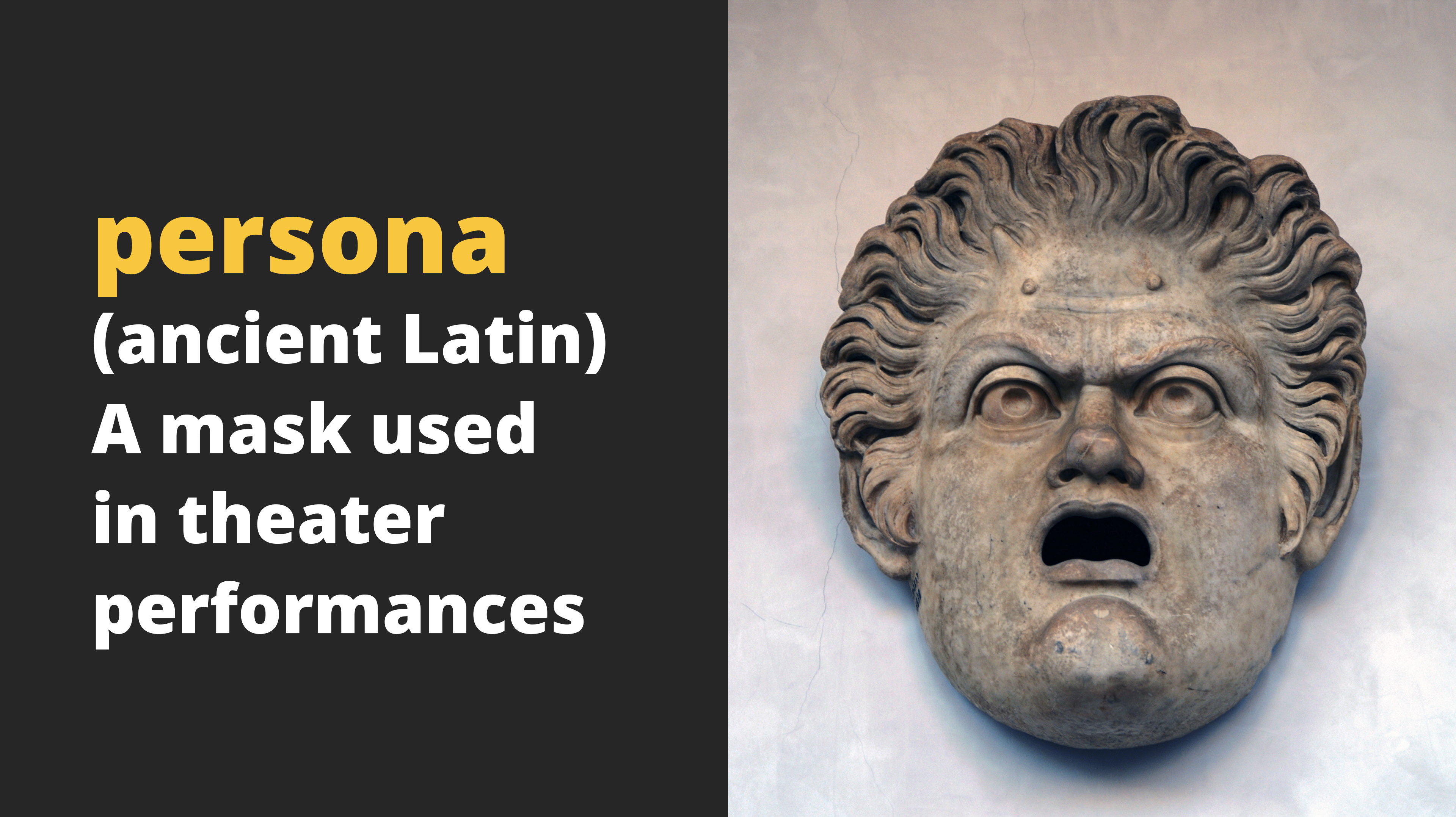
Personality refers to the long-standing traits and patterns that propel individuals to consistently think, feel and behave in specific ways. Our personality is what makes us unique individuals. The word personality comes from the Latin word persona. In the ancient world, a persona was a mask worn by an actor. While we tend to think of a mask as being worn to conceal one’s identity, the theatrical mask was originally used to either represent or project a specific personality trait of a character.
Personality psychology is the study of the development of personality and individualistic traits. Personality psychologists look at people as individuals rather than as members of society. The aim of personality psychology is to find out why people differ from each other in their beliefs, attitudes and personalities. Personality psychologists seek to understand how factors like gender, culture and genetics affect personality, and how personal beliefs and attitudes affect behavior.
Personality psychology is the topic where all the other areas of psychology come together. Cognitive psychology describes how people think and perceive. Developmental psychology traces the course of a person's psychological construction and changes from infancy throughout life. Biological psychology explains the underpinnings of behavior in anatomy, physiology, genetics and evolutionary history. And social psychology concerns how people respond to and affect the behavior of others. All these sub-disciplines serve personality psychology, the only field with the self-assigned mission of explaining whole people. It does this by focusing on individual differences, for the most part, but this is only natural. People are different from each other, and an understanding of how and why they differ necessarily entails a complementary understanding of the ways in which they are the same.